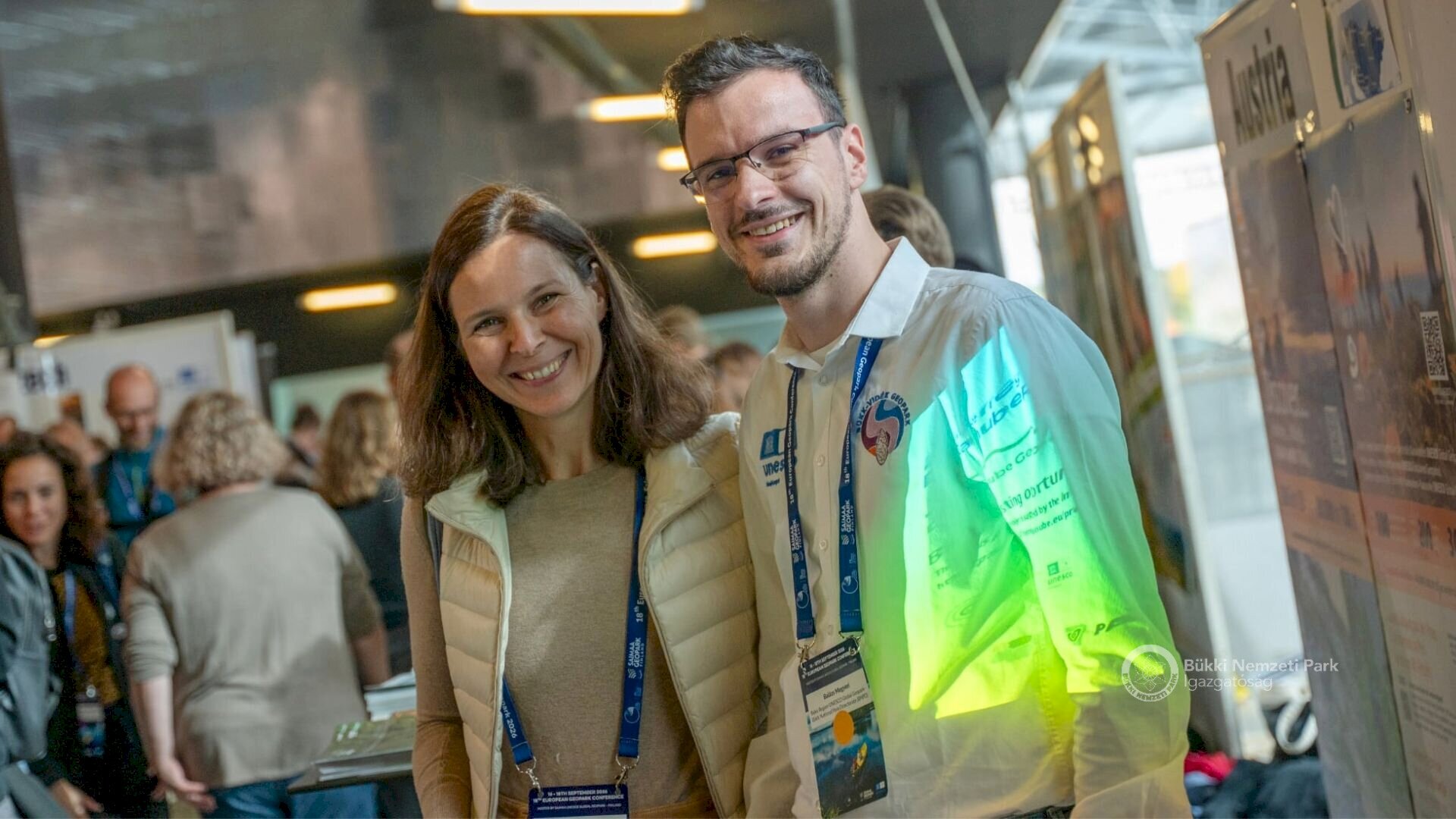
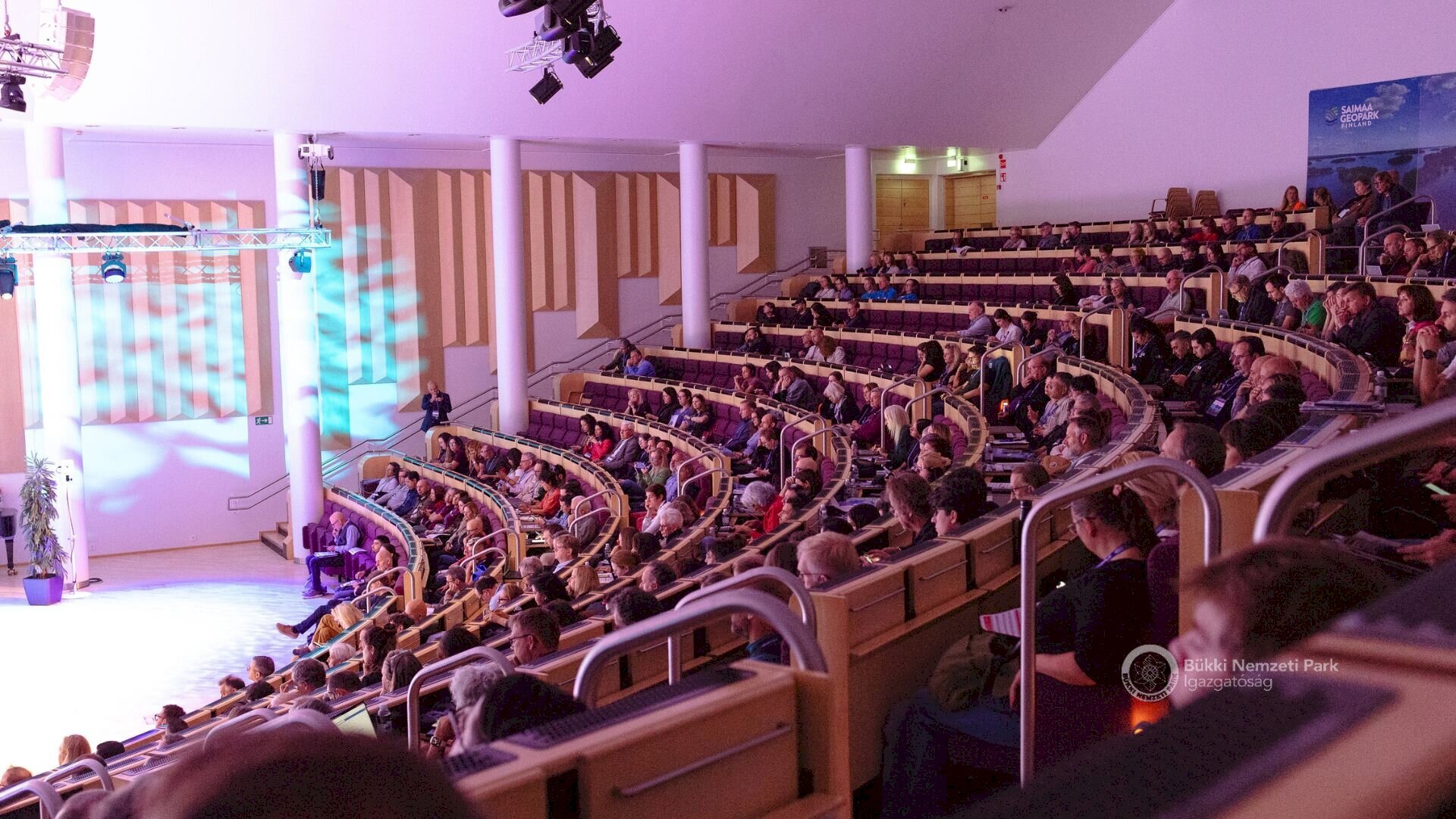
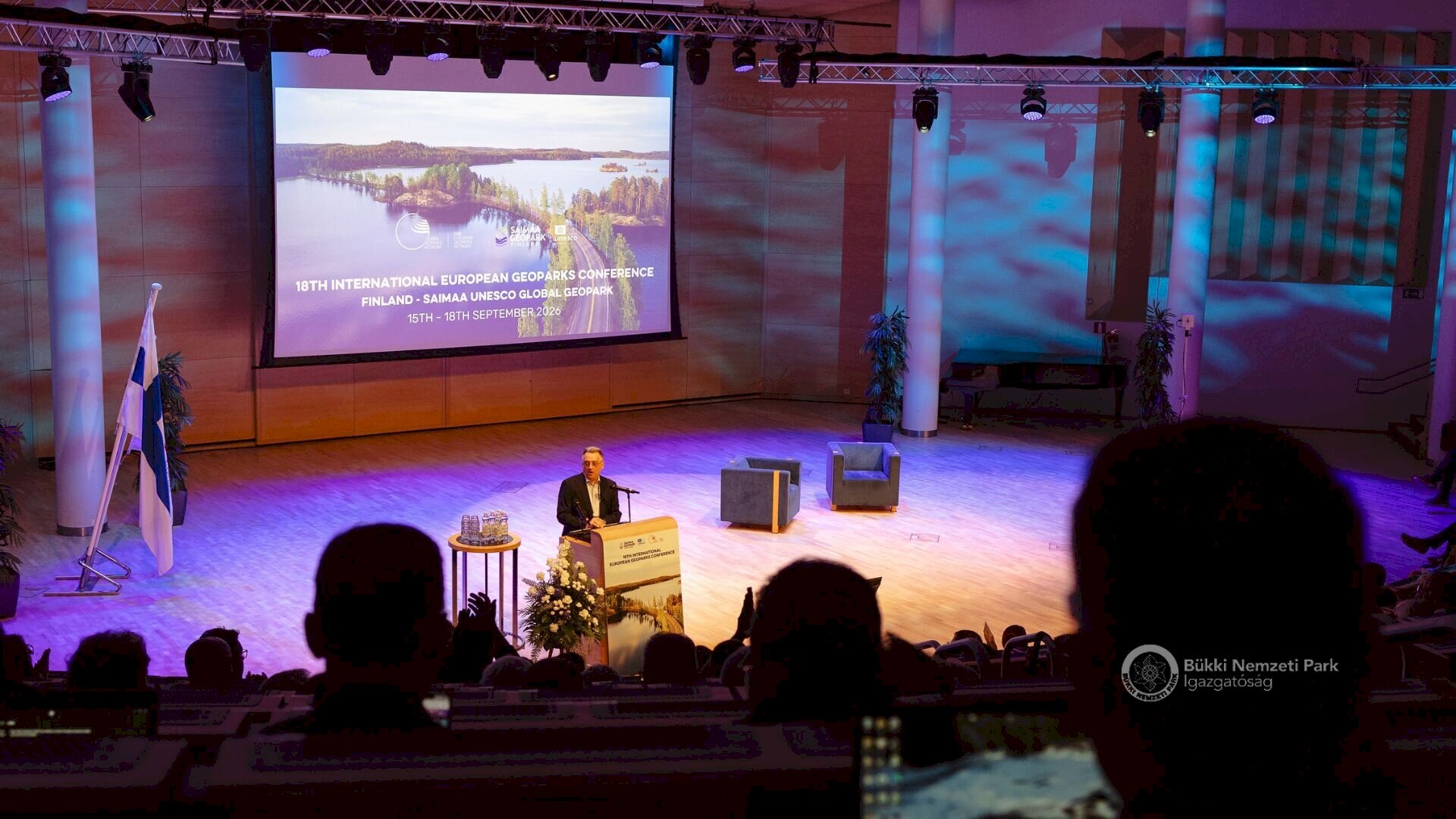
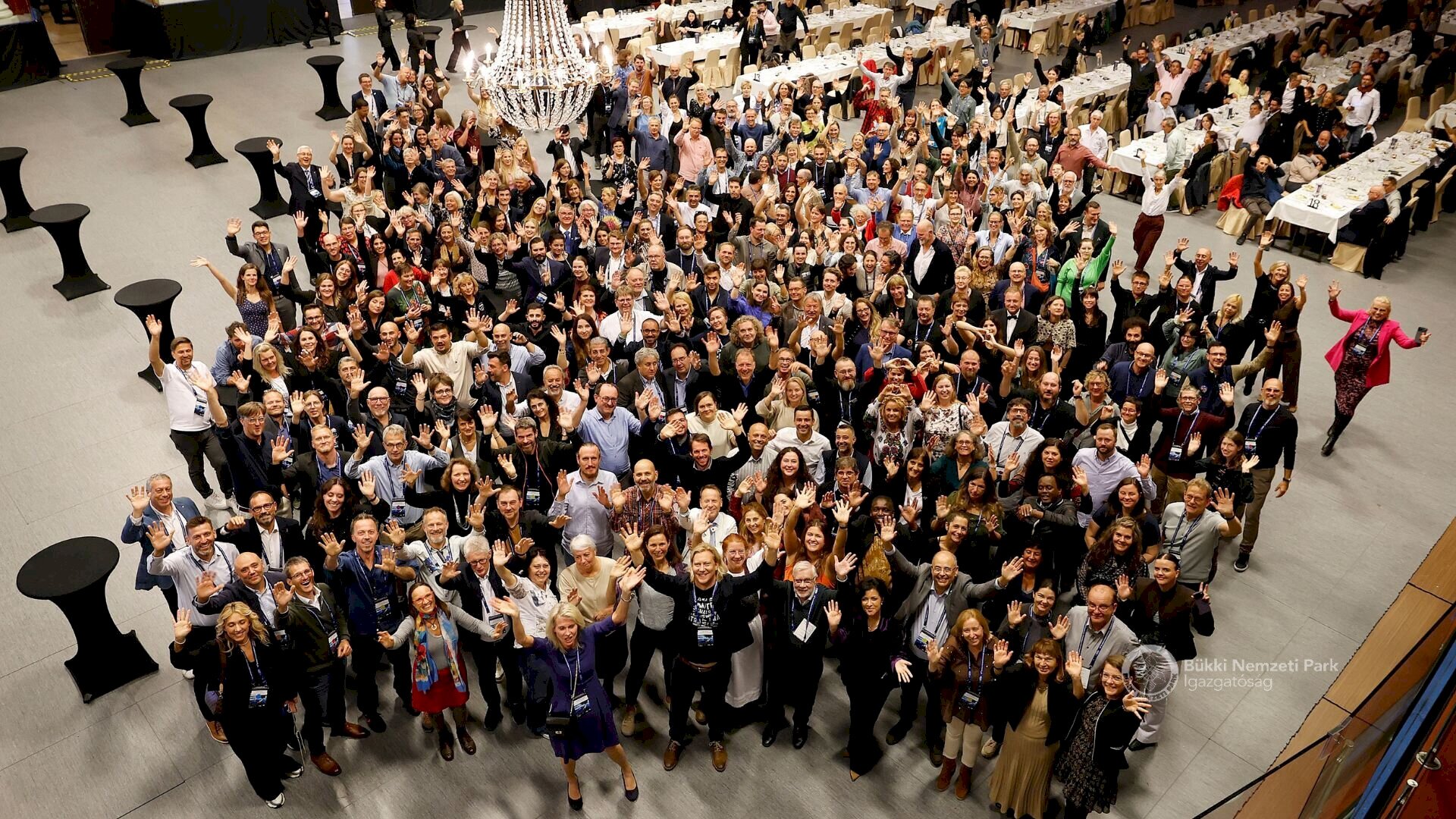
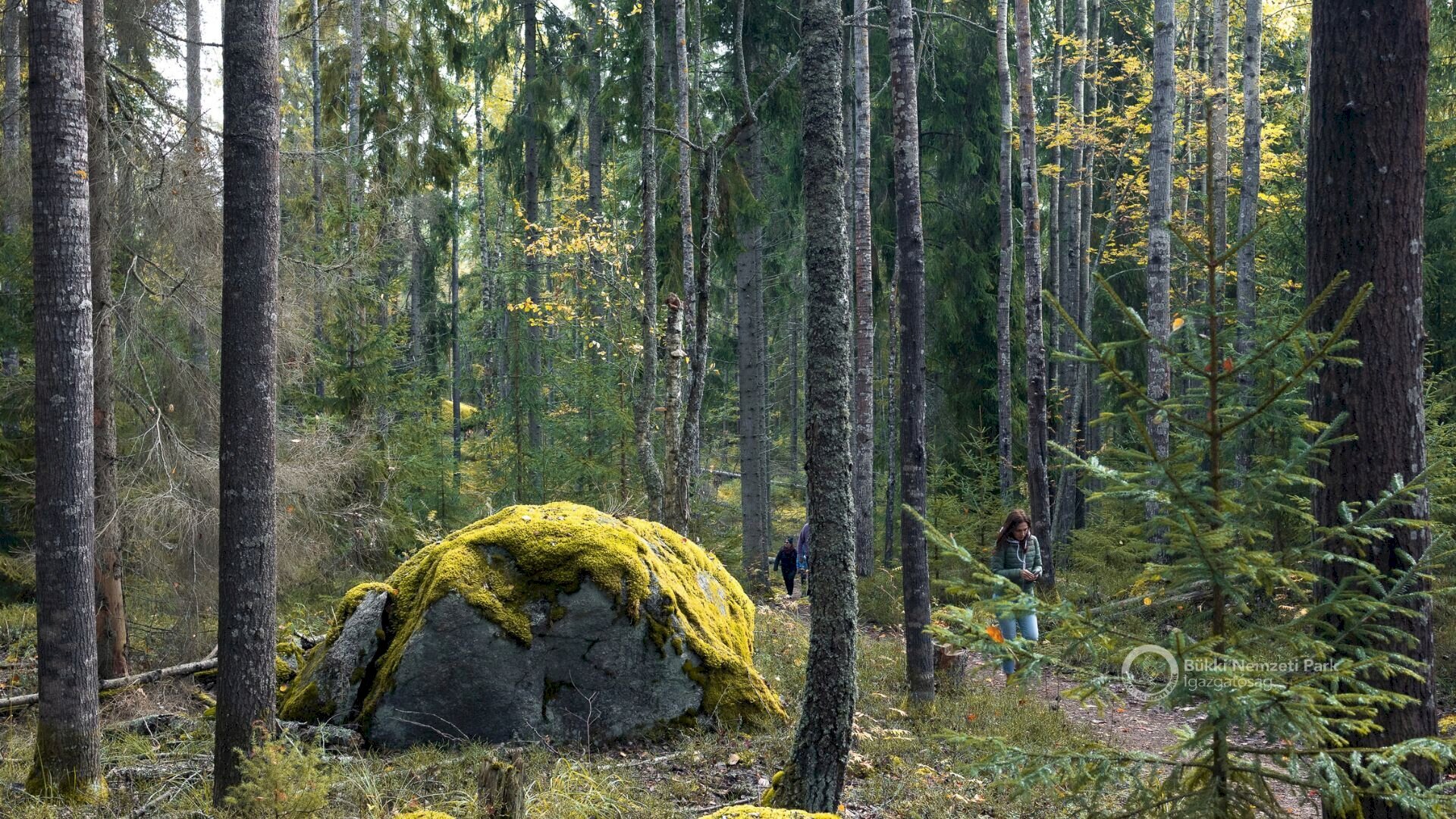
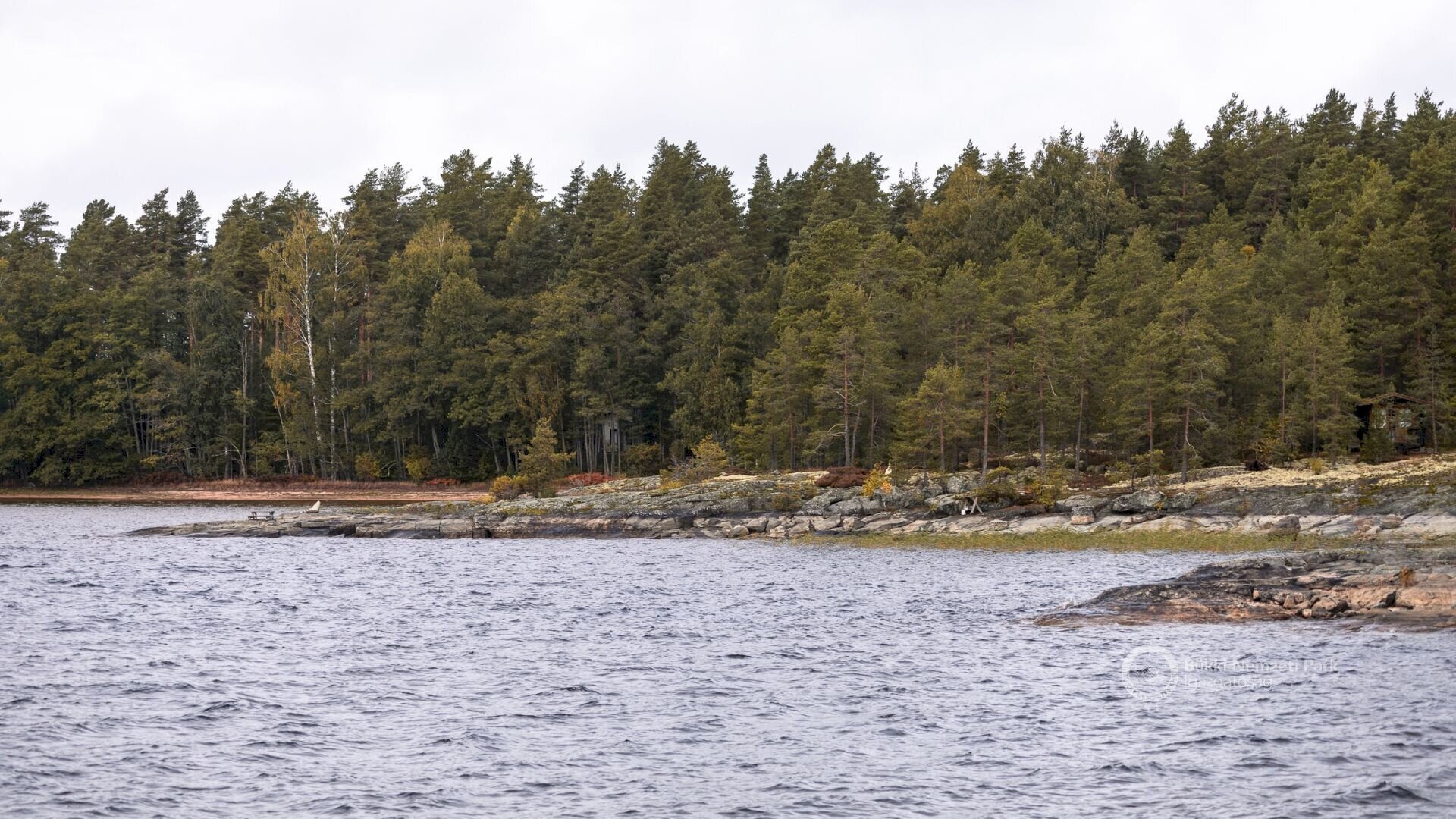
A finnországi Saimaa UNESCO Geoparkban tartották az európai geoparkok 18. nemzetközi konferenciáját, melyre 30 országból 445 résztvevő érkezett. A Bükk-vidék UNESCO Globális Geopark munkaszervezetét, a Bükki Nemzeti Park Igazgatóságot Megyeri Balázs és Zachar Györgyi geopark szakmenedzserek, az Európai Geoparkok Hálózata (EGN) Koordinációs Bizottságának (CC) tagjai képviselték.
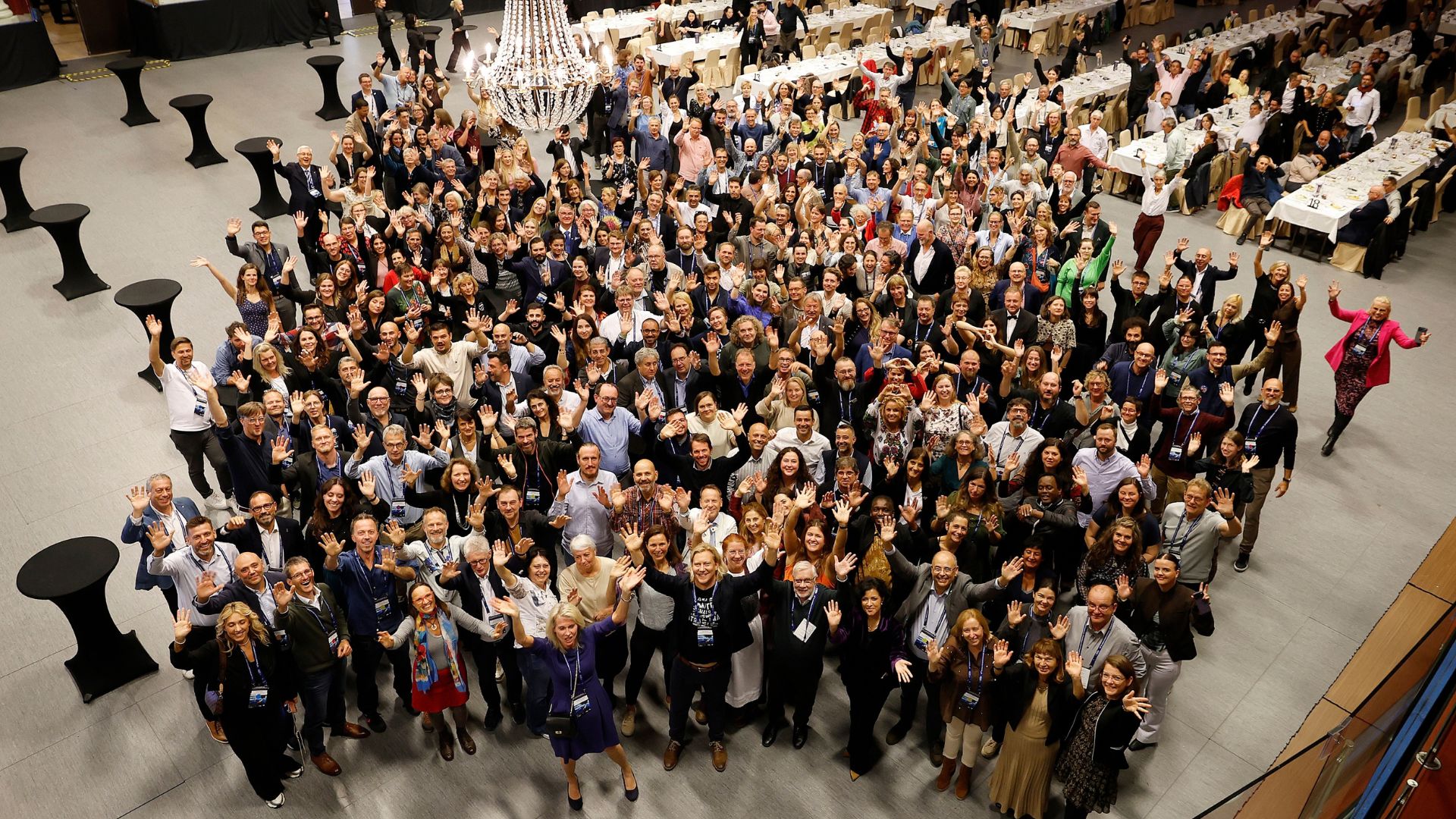
(Kép forrása: Lauri Heino)
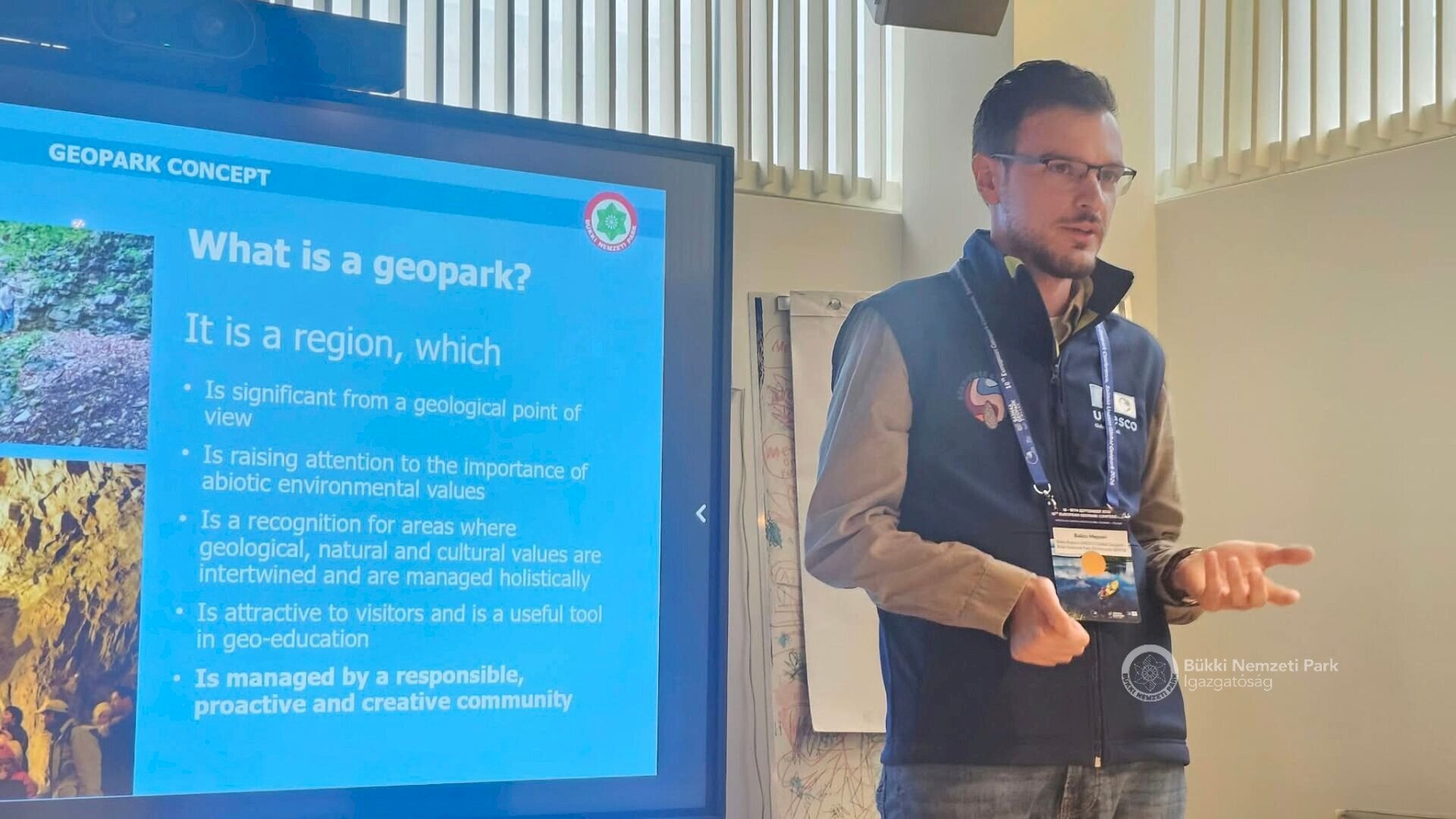
A 2026. szeptember 15-18. között zajló konferencián a geoparkok munkájának eredményeit, tapasztalatait összesen 180 előadás ismertetette. A finnországi Lappeenrantában a konferencia megnyitóját követően több témában tartottak workshopokat. A fenntartható fejlődés szekcióban Megyeri Balázs ismertette azt a fókuszcsoportos kutatást, melyben a Bükk-vidék Geopark fejlesztési lehetőségeit vizsgálta a helyi közösségek szempontjából.
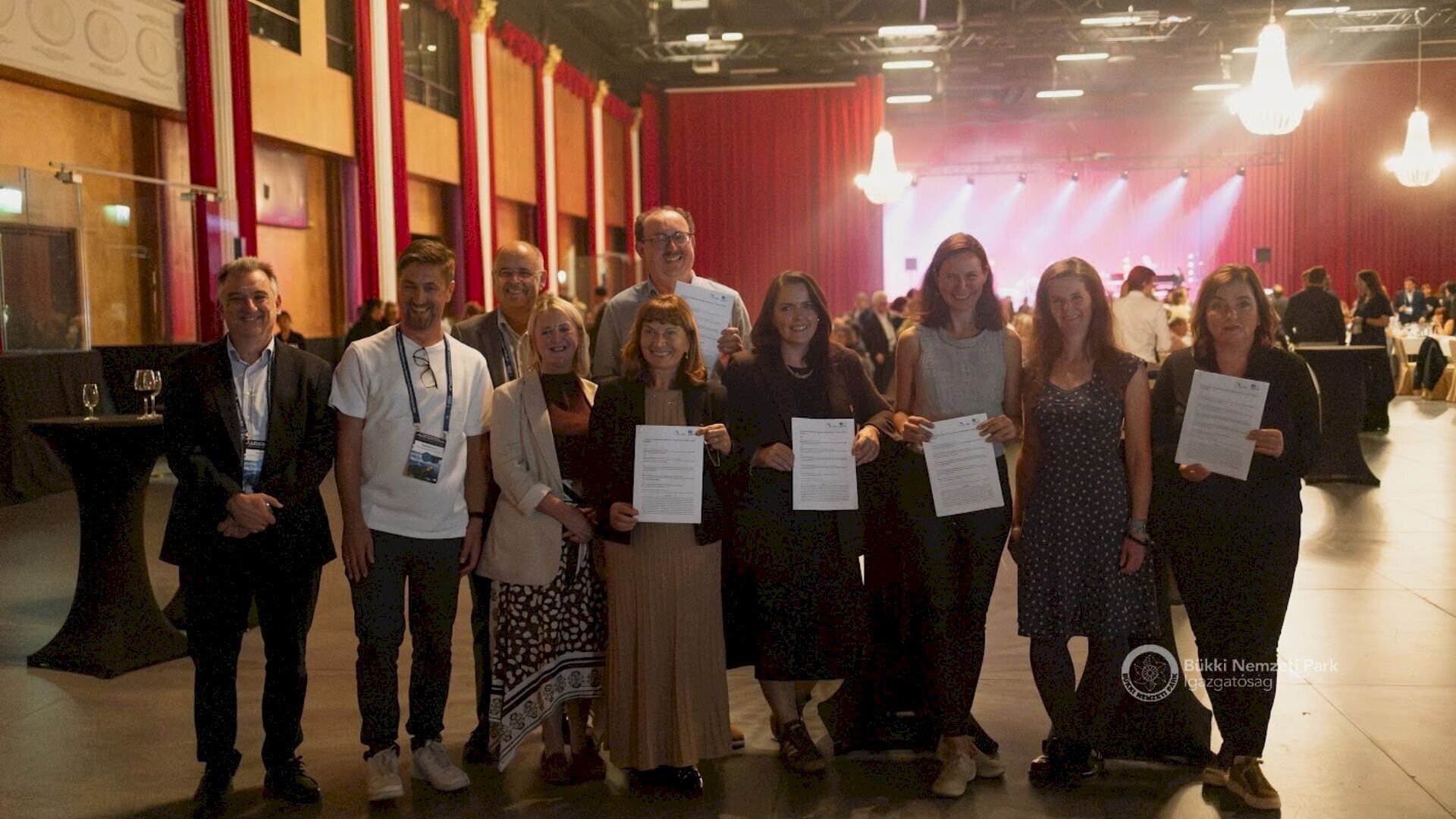
A nemzetközi konferencián az Interreg Danube GeoTour Plus projekt geopark partnerei – köztük a Bükk-vidék Geopark – együttműködési megállapodást írtak alá. A Danube GeoTour Plus egy nemzetközi együttműködési projekt, amely a Duna-régió geoparkjainak fenntartható fejlesztését és a helyi közösségek bevonását tűzte ki célul. A kezdeményezés olyan problémákra keres megoldást, mint a vidéki területek elnéptelenedése, a növekvő turisztikai nyomás és a helyi gazdasági szereplők hiányos infrastruktúrája.
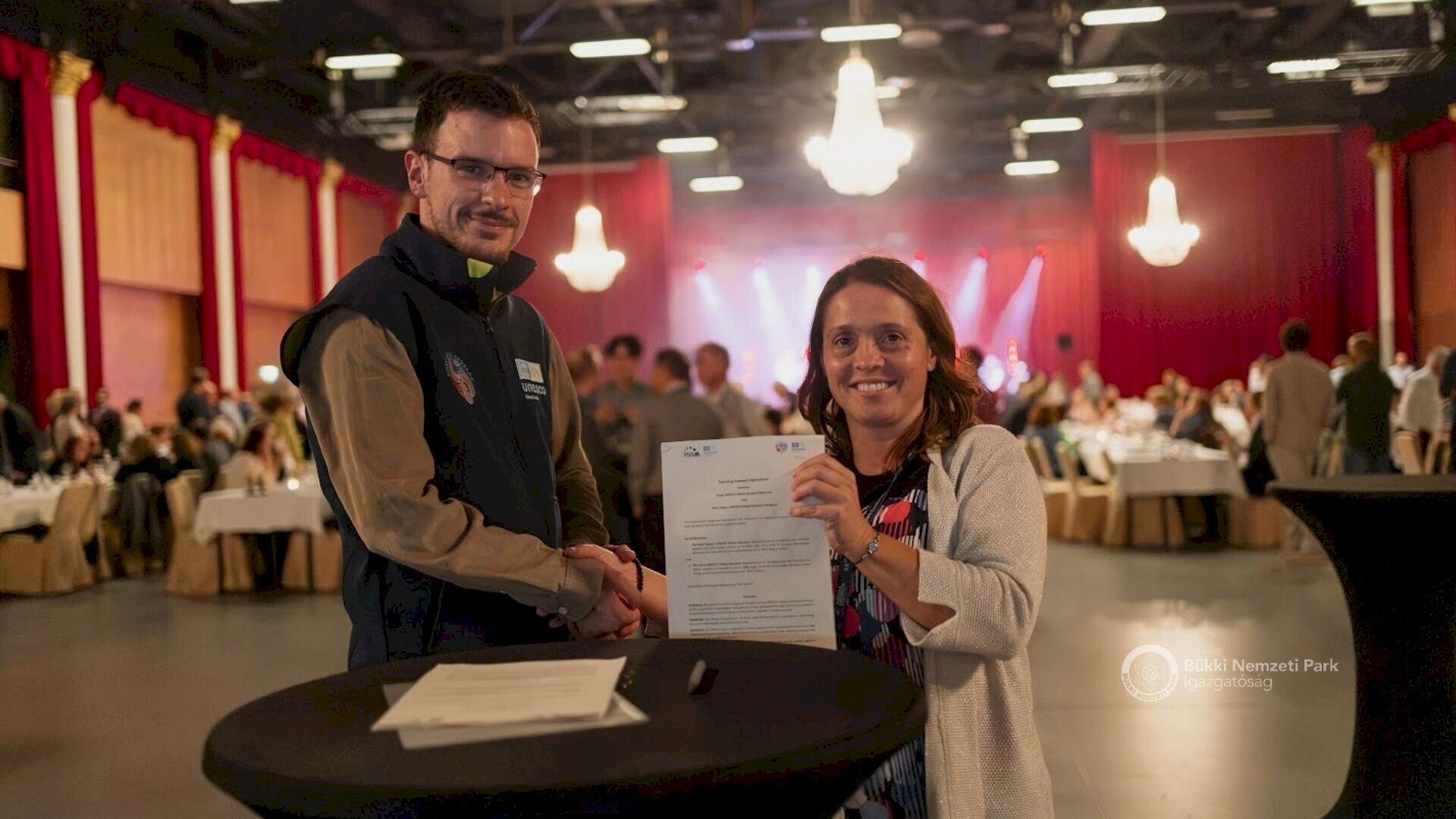
A rangos eseményen a Bükk-vidék UNESCO Globális Geopark és a szlovén Idrija UNESCO Globális Geopark képviselő testvérgeoparki együttműködési megállapodást írtak alá. A megállapodás célja, hogy a két geopark szorosabb szakmai és turisztikai együttműködést alakítson ki, különös tekintettel a földtudományi örökség megőrzésére, a fenntartható turizmus fejlesztésére és a környezeti nevelés erősítésére.
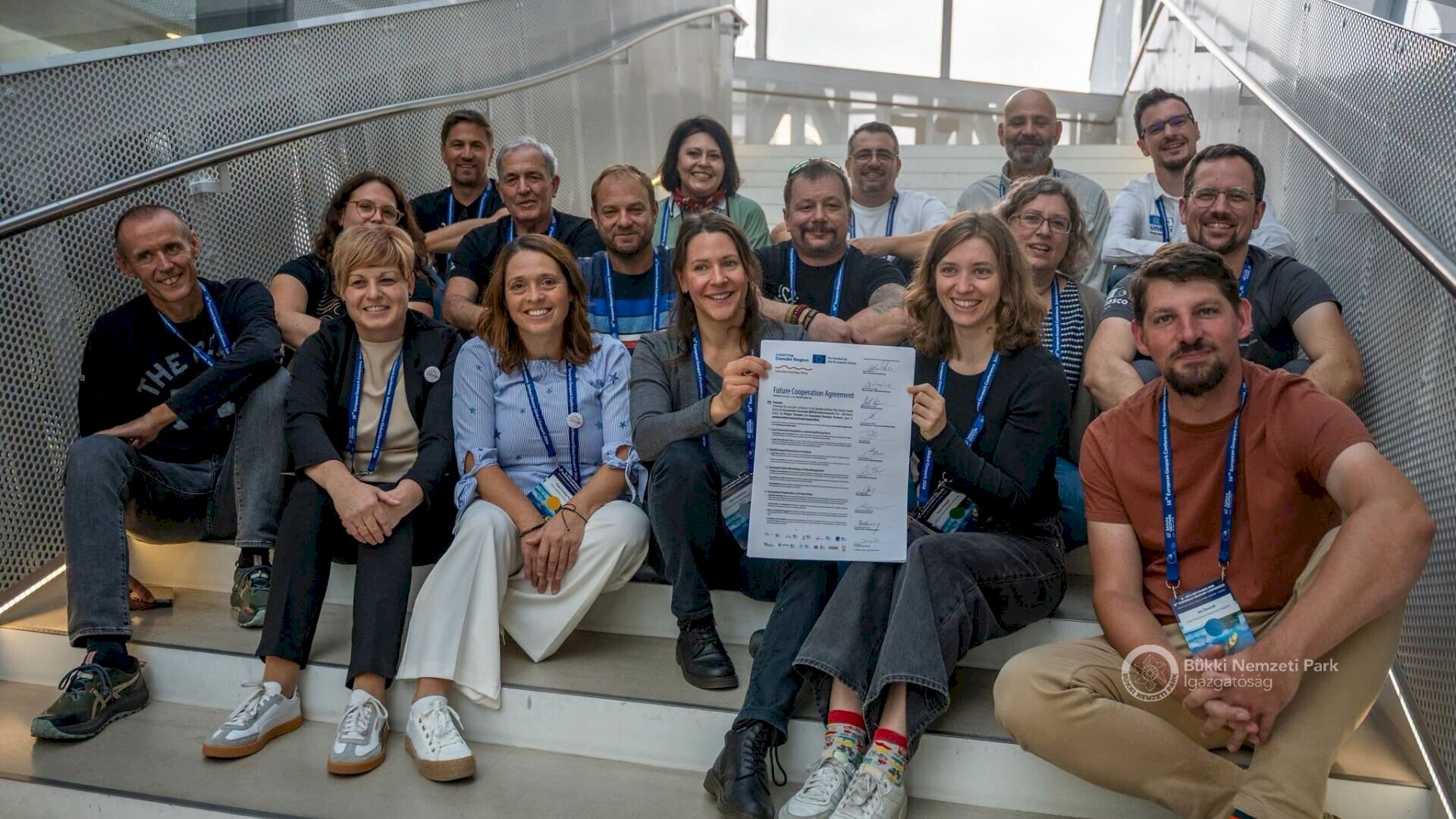
A konferencia zárónapján a határon átnyúló geoparkok képviselői együttműködési megállapodást kötöttek, melyen Zachar Györgyi, a Novohrad-Nógrád UNESCO Globális Geopark meghatalmazottjaként vett részt az aláíráson. Az együttműködés fő célja a közös természeti örökség védelme, a szakmai és tudományos tapasztalatok cseréje, közös kutatások és képzések, a fenntartható térségfejlesztés támogatása, a fiatalok bevonása, valamint a határ két oldalán élő közösségek életminőségének javítása.
A Finnországban zajló nemzetközi rendezvény kitűnő lehetőség volt a kapcsolatépítésre, a szakmai konzultációkra, a hálózati munka elmélyítésére és új partnerségek kialakítására is.
Fotók: Urosh Grabner, Martina Kampusch, Lauri Heino, Megyeri Balázs, Zachar Györgyi
The Bükk Region Geopark in Finland
The 18th European Geoparks Conference was held at the Saimaa UNESCO Global Geopark in Finland, bringing together 445 participants from 30 countries. The Bükk National Park Directorate – Bükk Region UNESCO Global Geopark was represented by Balázs Megyeri and Györgyi Zachar, geopark project managers and members of the Coordination Committee (CC) of the European Geoparks Network (EGN).
During the conference, held from September 15 to 18, 2026, a total of 180 presentations showcased the results and experiences of geopark operations. Following the opening ceremony in Lappeenranta, Finland, workshops were held on various topics. In the sustainable development session, Balázs Megyeri presented the findings of focus group research examining the development potential of the Bükk Region Geopark from the perspective of local communities.
At the international conference, the geopark partners of the Interreg Danube GeoTour Plus project – including the Bükk Region Geopark – signed a cooperation agreement. Danube GeoTour Plus is an international cooperation project aimed at the sustainable development of geoparks in the Danube Region and the active involvement of local communities. The initiative addresses challenges such as rural depopulation, increasing tourism pressure, and the underdeveloped infrastructure of local economic actors.
During this prestigious event, representatives of the Bükk Region UNESCO Global Geopark and the Idrija UNESCO Global Geopark (Slovenia) signed a twinning agreement. The partnership aims to foster closer professional and tourism cooperation between the two geoparks, with a particular focus on the preservation of geological heritage, the development of sustainable tourism, and the enhancement of environmental education.
On the closing day of the conference, representatives of cross-border geoparks concluded a cooperation agreement, which Györgyi Zachar signed in her capacity as an authorized representative of the Novohrad-Nógrád UNESCO Global Geopark. The primary objectives of this cooperation are the protection of shared natural heritage, the exchange of professional and scientific experience, joint research and training programs, the support of sustainable regional development, the engagement of youth, and the improvement of the quality of life for communities living on both sides of the border.
The international event in Finland served as an excellent platform for networking, professional consultations, deepening collaborative efforts, and establishing new partnerships.
Photos: Urosh Grabner, Martina Kampusch, Lauri Heino, Megyeri Balázs, Zachar Györgyi